Is Your Gratitude More Than a Holiday?
Learning to Live with Gratitude
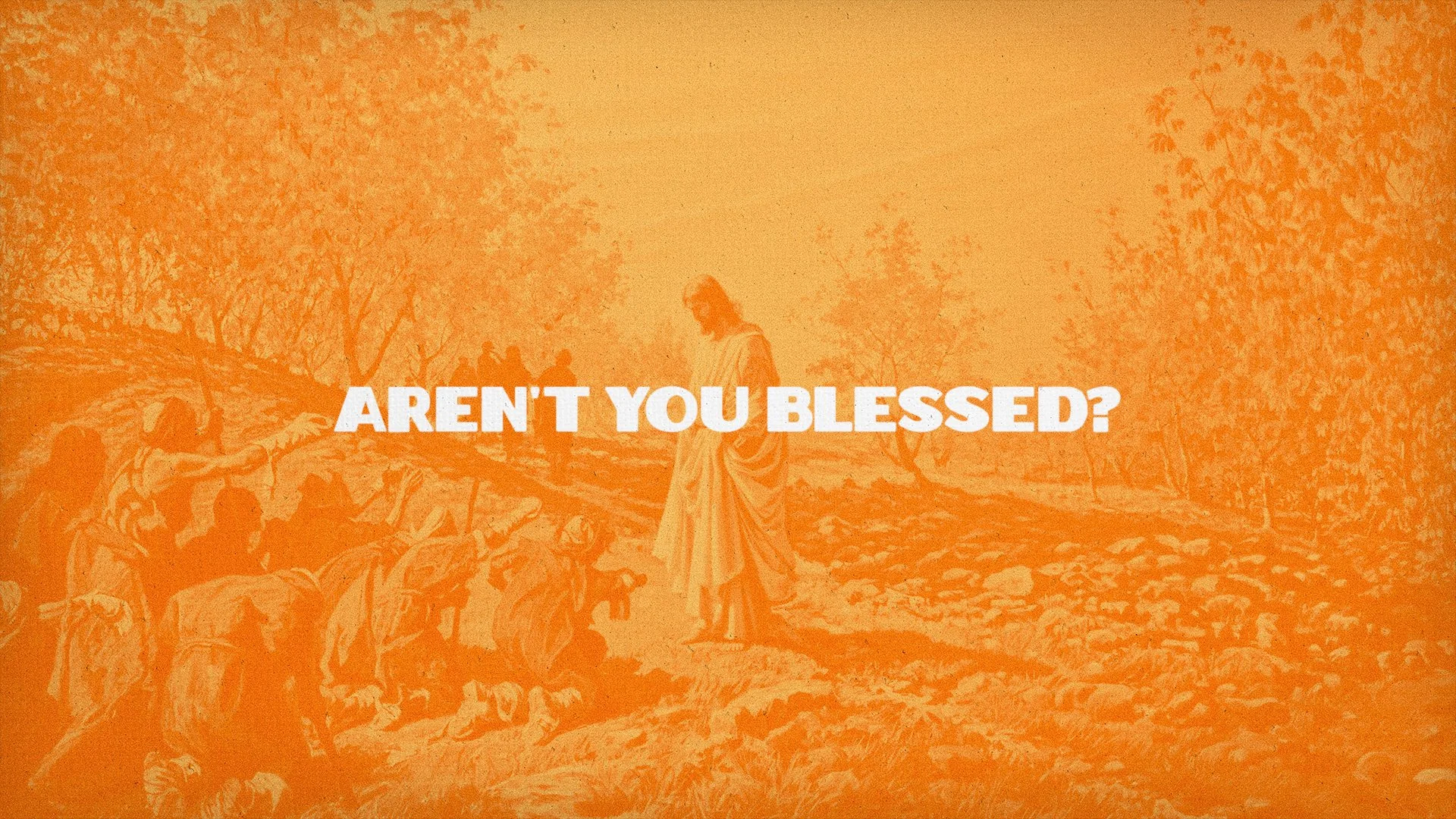
Have you ever stopped to consider how many things in your life were once answers to prayer? The home that now requires your attention, the job that sometimes exhausts you, or the family responsibilities that fill your days may be the very things you once asked God to provide. It's easy to become so familiar with His blessings that we stop recognizing them. In “Aren't You Blessed?”, Corryton Church College Director Spencer Smith reminds us that thanksgiving should be more than a holiday. It should be a lifestyle.
Gratitude Starts with Awareness
In Luke 17:11–19, Jesus encountered ten men suffering from leprosy. Standing at a distance, they cried out to Him for mercy. Jesus instructed them to show themselves to the priests, and as they obeyed, all ten were cleansed. Yet only one returned to glorify God and give thanks to Jesus. The other nine received the same extraordinary gift, but Scripture records no return of gratitude from them.
This account reminds us that experiencing God's goodness and recognizing it are not always the same thing. James 1:17 teaches that every good and perfect gift comes from above, yet we can become so accustomed to those gifts that we begin taking them for granted. In Deuteronomy 8:11–18, God warned Israel not to forget Him when they experienced prosperity. Their success and provision could tempt them to believe they had accomplished everything through their own strength. The same danger exists in our lives today. Sometimes the things we once prayed for become the things we now complain about. Lamentations 3:22–23 reminds us that God's compassion never fails and His mercies are new every morning. Gratitude begins when we intentionally recognize His continued faithfulness.
Gratitude Leads Us Back to Jesus
The one man who returned to thank Jesus was a Samaritan, someone who would have been regarded as an outsider by many of the Jewish people around him. His response illustrates that religious familiarity does not necessarily produce a grateful heart. All ten men experienced healing, but only one returned to honor the One who had healed him.
True gratitude honors the Giver, not merely the gift. It's possible to thank God for a blessing when we first receive it, then gradually allow that blessing to become more important to us than our relationship with Him. The Samaritan's response challenges us to return to Jesus with sincere appreciation, recognizing that everything good in our lives ultimately comes from His goodness.
Our Greatest Blessing Is the Gospel
Although we have countless reasons to be grateful, Spencer emphasizes that our greatest blessing is the Gospel itself. God has revealed Himself through His Word. Second Timothy 3:16 teaches that Scripture is inspired by God, while 2 Peter 1:21 explains that the men who spoke God's message were moved by the Holy Spirit. Psalm 119:89 reminds us of the enduring nature of God's Word, and verse 105 describes His Word as a lamp to our feet and a light to our path.
Throughout Scripture, we see one unfolding story of redemption. Genesis 3:15 points toward the promised victory over evil, Isaiah 53 describes the suffering Servant who bears our sins, and Luke 24:27 records Jesus explaining how the Scriptures testify about Him. From the beginning, God's plan of redemption finds its fulfillment in Jesus Christ. Whatever blessings we may enjoy in this life, none compares with the forgiveness, salvation, and eternal hope available through Him.
Gratitude Changes How We Live
Biblical gratitude is not dependent on perfect circumstances. First Thessalonians 5:18 calls believers to give thanks in everything, while Acts 16:22–25 provides a remarkable example of Paul and Silas praying and singing praises to God while imprisoned. Their circumstances were painful and unjust, but they still chose to worship. We give thanks not because every circumstance is good, but because God is good.
That kind of gratitude should influence our everyday behavior. Philippians 2:14 challenges believers to do all things without grumbling or disputing, while Philippians 4:6 teaches us to bring our concerns before God through prayer and thanksgiving. Romans 12:1 reminds us that worship involves offering our very lives to God. Gratitude should therefore shape our conversations, our relationships, our prayers, and the way we serve Him each day.
Living Like the One Who Returned
The story of the ten lepers leaves us with a simple but powerful question: Are we living like the nine who received a blessing and continued on their way, or like the one who returned to Jesus?
Gratitude begins when we recognize what God has done, but it doesn't end with recognition. It leads us back to Jesus and changes how we live. As we remember His daily mercies, the blessings we sometimes overlook, and the salvation we have through His Son, thanksgiving becomes more than something we celebrate once a year. It becomes the posture of a heart that remembers the goodness of God.